

Three moments your diary lost without anyone telling you
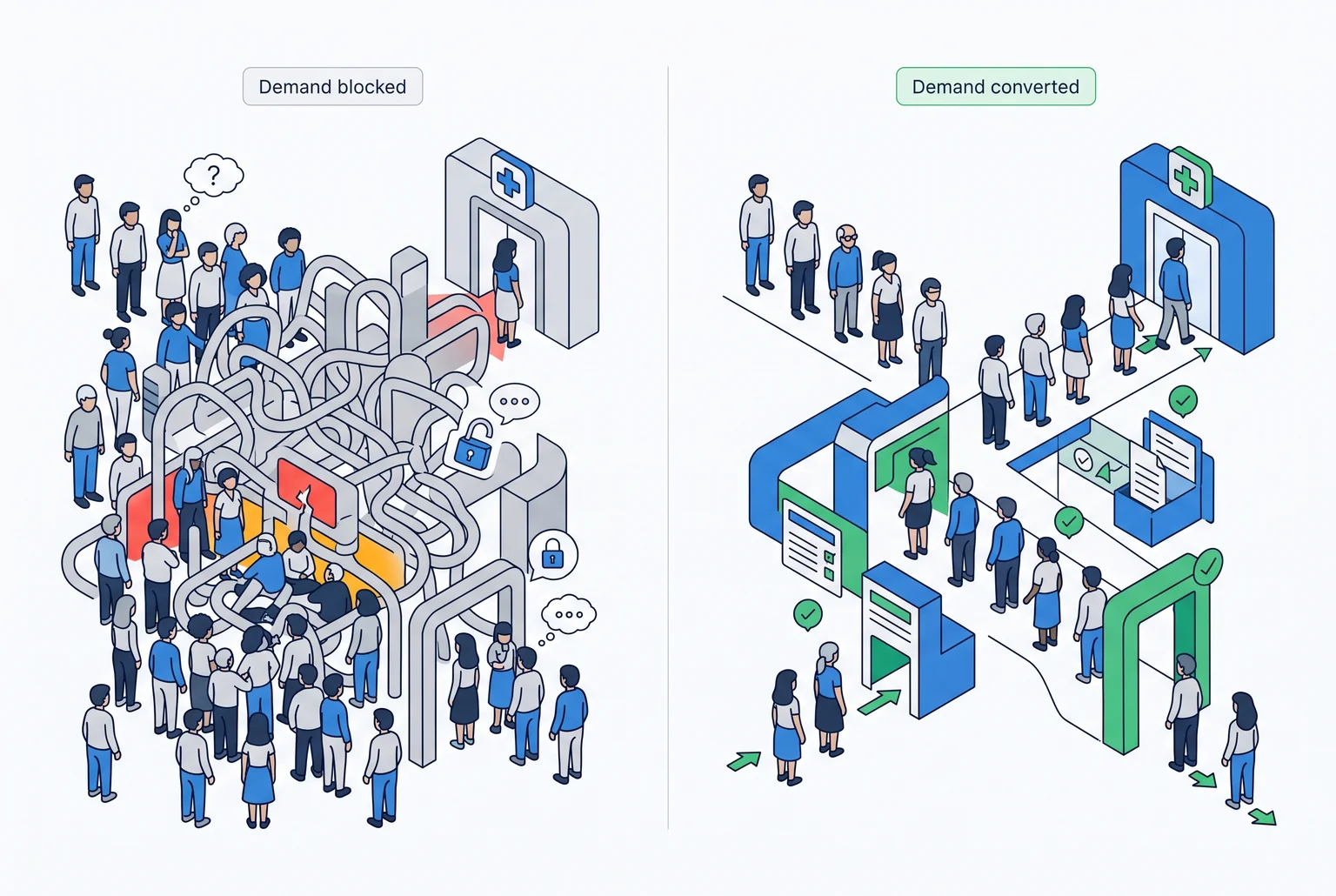
A woman in Guildford types “private ADHD assessment near me” at 9.40pm, three glasses of wine and one bad day into deciding to finally do something about it. She fills in two contact forms. One clinic replies at 8.15 the next morning. The other replies at 4pm. She has already paid a deposit to the first one by lunchtime.
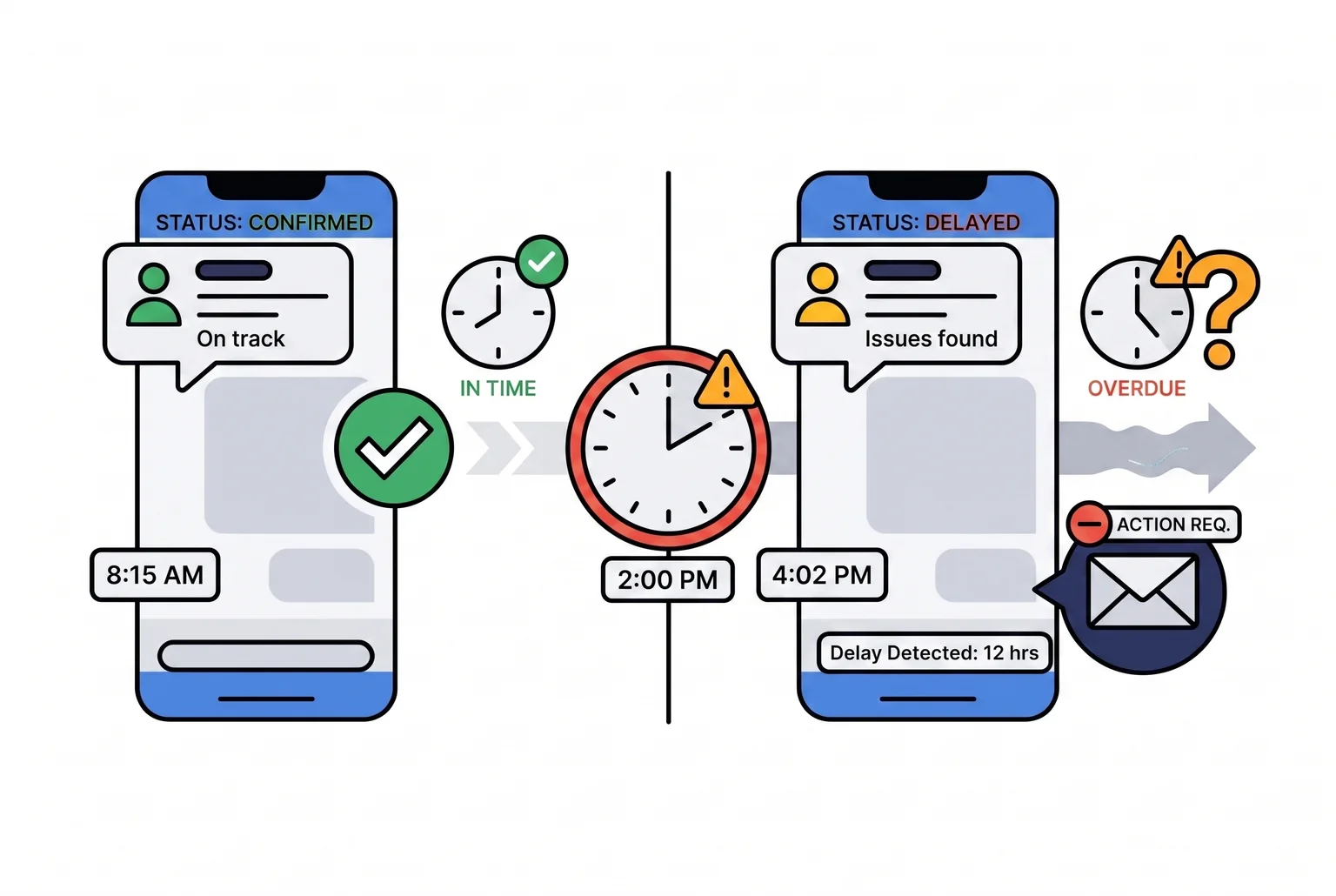
A father in Leeds is choosing an audiologist for his mother. He rings the number on your website at 11.20am. It rings out. The website doesn’t say when the phone is staffed, so he assumes nobody’s there and moves to the practice with a booking widget that lets him pick a slot there and then. Your receptionist was on lunch. She was back by 12. Nobody told him that.
A man in Brighton is comparing two implant clinics after a referral from his dentist. Both look competent. One site has four reviews from 2021. The other has thirty-one from the last six months, each with a short reply from the practice. He reads eleven of them before booking a consultation with the second clinic. He never got as far as comparing your clinical qualifications, because he’d already decided based on evidence he could see in under two minutes.
None of these clinicians did anything wrong. The GP who trained for years, the audiologist with twenty years’ experience, the implant specialist with a genuinely stronger track record, none of them lost that patient on skill. Analysis of UK private dental enquiries found contacting a lead within five minutes achieves roughly a 92% contact rate and a 38% booked-consultation rate, while replies landing between ninety minutes and four hours convert at a fraction of that, and separate research on UK clinics puts the average first response during working hours at seven to twelve hours, not minutes. The fact is, patients often commit to whoever answers first, and if your phone line only runs office hours while your enquiry form sits unanswered overnight, you’ve built a system that quietly hands work to whoever built theirs better.
I’ve sat with clinical directors who assumed a quiet month meant a quiet market. It rarely does. It usually means three, four, five decisions were made without them in the room, by people who never told them they’d been considered at all.
That’s not a skills gap. It’s a visibility and speed gap, and it has a name and a fix. The Practice IMPACT Protocol exists because clinical excellence was never the part patients could see first.
Quality was never the thing being judged
Here’s what none of those three clinicians knew: nobody was judging their qualifications. Not really.
The father in Leeds couldn’t assess twenty years of audiology experience from a ringing phone. The man in Brighton couldn’t compare implant technique from a website. They judged what was visible, and clinical rigour, by its nature, doesn’t show up on a screen at 9.40pm.
I believe this is where most clinical directors get the diagnosis wrong. They assume a quiet diary means the market has gone quiet, or that a competitor is undercutting them, or that referrals have dried up. In my experience it’s almost always simpler and worse: the compliance and care that make a practice genuinely safer never reached the person choosing, because nobody built a way to show it.
And here’s the part that should change how you think about regulation entirely. Your GDC specialist-title restrictions, your CQC registration, your HCPC fitness-to-practise standards, your GOsC or GCC codes of conduct, the constraints you may experience as friction are things an unregulated competitor cannot produce, however slick their Instagram. Counselling and psychotherapy titles aren’t even protected in UK law; anyone can call themselves a therapist. Against that, a body like BACP, which grew from just over 34,000 individual members in 2010 to 73,528 by March 2025, represents something a patient can actually check.
That growth is worth sitting with. It means the crowd around every regulated clinician has roughly doubled in fifteen years, while the regulatory floor beneath legitimate practice has stayed exactly where it was.
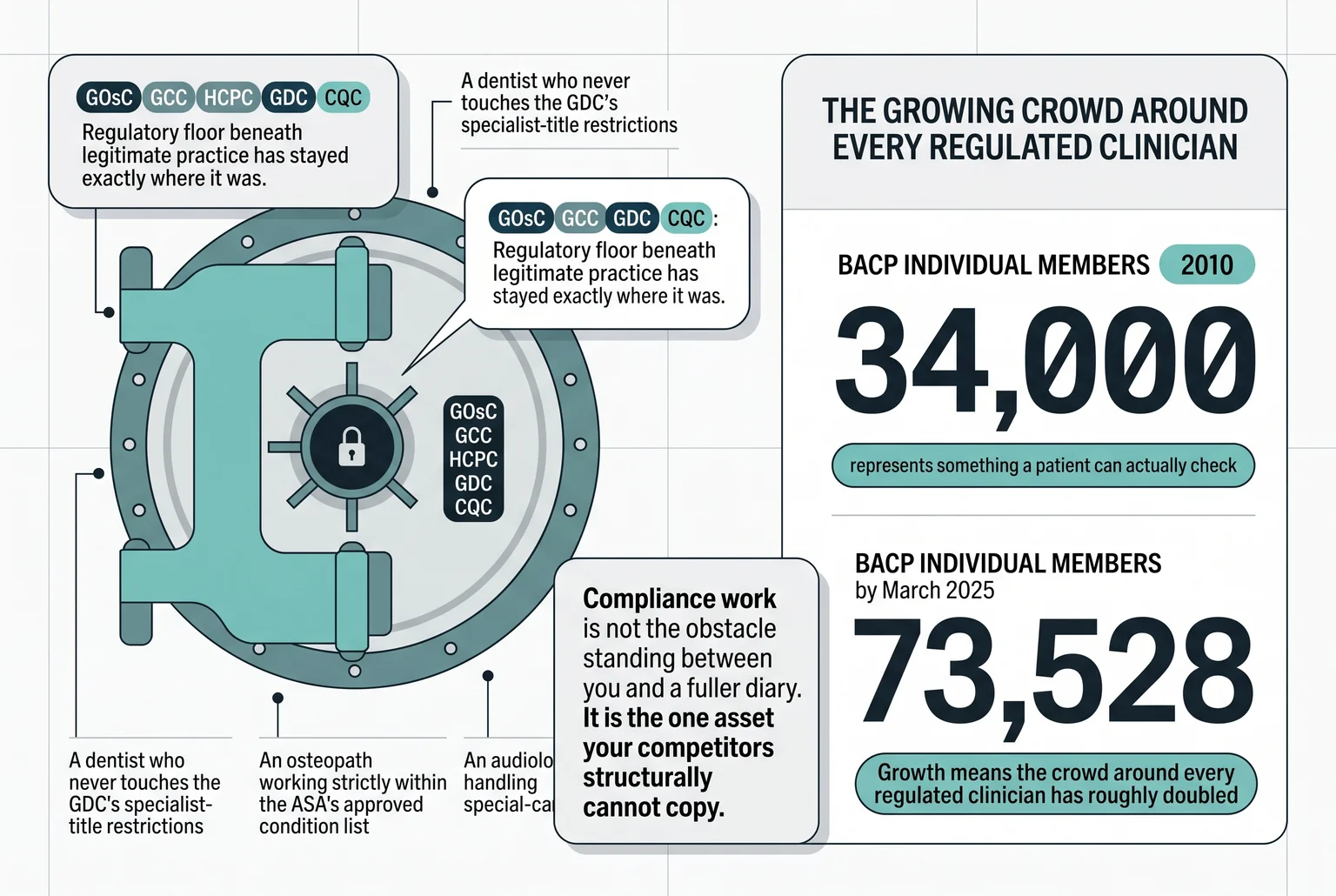
Your compliance work is not the obstacle standing between you and a fuller diary. It is the one asset your competitors structurally cannot copy. An osteopath working strictly within the ASA’s approved condition list, a dentist who never touches the GDC’s specialist-title restrictions, an audiologist handling special-category health data under proper UK GDPR consent, each of them is building something real. It just is not currently visible to the mother filling in a contact form at 9.40pm.
The fact is, rigour that stays invisible does no commercial work at all. It protects patients, which matters on its own terms, but it does nothing to fill Tuesday’s 2pm slot.
At the very least, list your own regulatory badges (GDC number, CQC rating, HCPC registration, professional indemnity) on your enquiry page this week, and check whether a stranger comparing you to a competitor would even find them.
Six systems, built in a fixed order
Most clinical directors I speak with reach for the same first move: a paid ads campaign. Google Ads for the implant page, Meta boosts for the new associate, a budget line labelled “marketing” that goes straight to acquisition. That is stage six of the protocol. Almost nobody starts at stage one.
The Practice IMPACT Protocol is the sequence I use to fix that, built from eighteen months of trial inside one Hove practice and refined since. It has six stages, each answering a question the previous stage has to settle first. Skip a stage and you are simply paying to send more strangers into a system that was already leaking.
Integrity of Delivery asks: is what happens inside your clinic safe, consistent, and honest enough to survive being seen? This covers consent processes, data handling, and whether your public claims match your actual scope of practice. Nothing above this stage is worth building until this one holds.
Measured Authority asks: can a stranger verify, in under thirty seconds, that you are who you say you are? Credentials, governed reviews, and structured content that regulators would sign off on, rather than vague reassurance.
Professional Availability asks: when someone is ready to book, how long do they wait? Response speed, booking friction, and whether the right clinician is reachable at the moment demand exists.
Accelerated Value asks: how much more value can be released from patients you already treat, without new enquiries or added marketing spend? Structured discharge, a defined service ladder, clinically indicated recall run as a system, scheduled re-contact with referrers, and recovery of income already lost inside the practice — non-attendances, late cancellations, unbilled time, unscheduled accepted plans.
Cultivated Relationships asks: what happens after the first appointment? Retention systems and referral relationships with GPs, opticians, and other professionals who send people your way without being asked twice.
Targeted Growth asks: given everything above is working, where and how much should you spend to bring in more of the right patients? Segmented, data-led spending, not blanket advertising.
Why sequence this rigidly? Because paid growth amplifies whatever is already true of your practice. If your consent forms are shaky, your reviews thin, your reply times slow, an advertising budget just buys you more people discovering those problems faster, at your expense per click. Fix the first five, and the sixth stage becomes cheap by comparison.
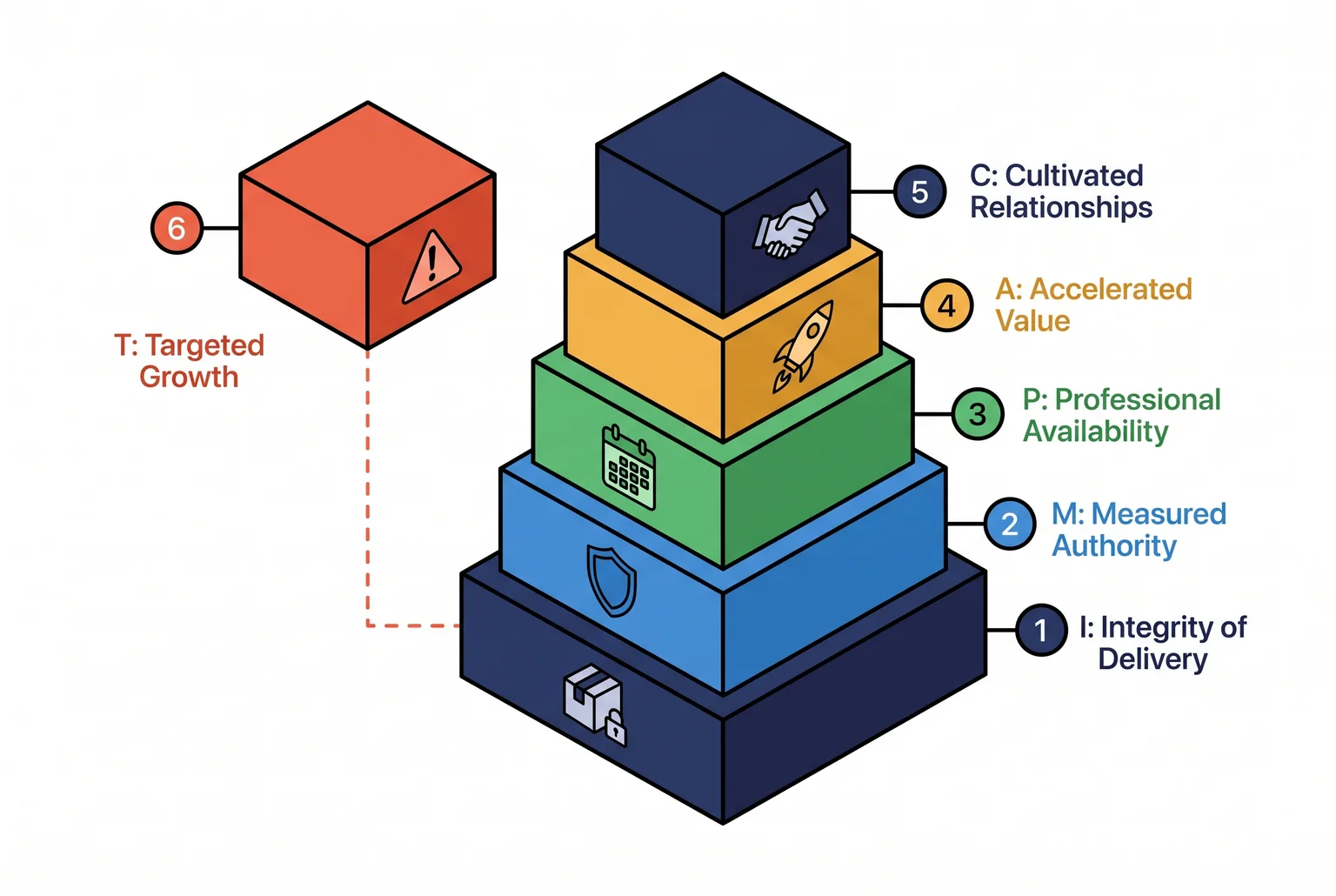
At the very least, write down which of these six questions you could not currently answer with confidence. That single list tells you exactly where your own diary problem actually sits.
What has to be true before you spend a penny on visibility
Integrity of Delivery asks a blunt question: if a regulator, a journalist, or a suspicious patient looked hard at your consent forms, your website tracking, and your claims tomorrow, would you survive the look? Most clinics have never had to answer that question, because nobody has looked yet. That is not the same as being fine.
Start with data. Health information is special category data under UK GDPR, and processing it for anything beyond direct care generally needs its own lawful basis and a valid Article 9 condition, according to ICO guidance. Treating a patient and marketing to them are not the same activity, and they should not share the same consent tickbox. If your booking form doubles as your newsletter sign-up, you likely have a problem. Consent has to be freely given, specific, informed, and as easy to withdraw as it was to give, per ICO rules on consent.
The same discipline applies to your website’s tracking pixels. PECR rules cover pixels and similar technologies, not only cookies, and generally require information and consent before they fire, as the ICO’s guidance on storage and access technologies sets out. A Meta pixel sitting on your “ADHD assessment” landing page, firing before consent, linking an identifiable visitor to a health enquiry, is not a technicality. It is the exact kind of gap a competitor’s complaint or a disgruntled ex-patient can use against you.

Then come the claims. If you are an osteopath or chiropractor, the ASA and CAP publish specific lists of conditions you are permitted to say you treat. Chiropractors, for instance, can claim to treat shoulder pain and dysfunction, but not “frozen shoulder” without separate evidence, and anything outside the approved list, whiplash or general sports injuries among them, needs robust clinical substantiation the ASA’s chiropractic advice is explicit about. Osteopaths face the same structure under a parallel approved list. This is not a reason to say less about what you do. It is a reason to say it precisely.
Dentistry has its own line. Only dentists on one of the GDC’s specialist lists may call themselves a “Specialist” or “specialist in…”; everyone else can say “special interest in” or “experienced in,” but not imply status they do not hold, under GDC advertising guidance. If you offer botulinum toxin alongside cosmetic dentistry, remember it is a prescription-only medicine, and advertising it to the public breaches CAP Code rule 12.12 and the Human Medicines Regulations 2012. Private audiology sits in similar territory: hearing aid claims must stay within what you can evidence, and any suggestion of a medical outcome beyond amplification needs care.
Measured Authority builds on top of this, once it holds. That is credentials displayed accurately, reviews collected within the rules I will cover in a moment, and content structured so that AI search tools, not just Google’s blue links, can find and quote you correctly. Answer Engine Optimisation is becoming the practical discipline for that: answer-first content, clear schema, and off-site corroboration, so a chatbot recommending a chiropractor in your postcode has something accurate to draw from, as one industry overview of AEO practice describes it.
None of this authority-building should ever bend clinical judgement. A five-star target is not a treatment plan, and no review count justifies a course of care a patient does not need.
At the very least, audit your review collection process against four rules: never submit, commission, or incentivise a fake review; disclose any incentivised review where disclosure is required; take reasonable steps to prevent and remove fake reviews from your own channels; and never let a distorted display of reviews mislead a prospective patient about your average rating. These sit inside the CMA’s unfair commercial practices guidance, and getting them wrong now carries real exposure under the newer consumer protection regime.
Answering fast, and answering well, before anyone books
Your reception team is not the problem. They are booking a triple appointment for Mrs Patel, calling a supplier about a broken imaging machine, and fielding a walk-in, all while a website enquiry sits in an inbox nobody has opened yet. I say this because whatever I write next will sound like criticism of people who are already stretched thin, and it is not. It is a structural gap, not a character flaw.
The gap has a cost attached to it. Research on lead response across sectors, summarised in a widely cited industry review of speed-to-lead data, consistently finds response speed to be one of the strongest predictors of whether an enquiry converts, with delays of hours rather than minutes cutting contact and conversion rates sharply. Nobody in your clinic decided that a four-hour reply was acceptable. It simply became the default because nobody built a system to prevent it.
Professional Availability asks a plain question: can a prospective patient reach a real answer within minutes, not hours, through the channel they actually used? For movement and musculoskeletal practices, this matters most at the point of pain. Someone with a locked back at 7pm is not comparison-shopping for credentials. They are deciding whether to call you or open a search bar again in twenty minutes. Triage speed, a same-evening callback, a clear next-available slot, does more for that decision than another testimonial ever will.
Private audiology carries a different friction point. Most enquiries are not asking to be treated. They are asking to try something, a demo, a hearing check, a trial fitting, and the booking step for that trial is often buried three clicks deep or requires a phone call during working hours only. Every extra step is a chance for someone to close the tab.
Elective dentistry has its own version, and it collides directly with new consumer law. Implant enquiries are expensive to generate, with UK paid search benchmarks putting cost per lead for implants at roughly £100 to £250, and one 2026 industry guide citing an average nearer £140 at an 8 to 12 per cent conversion rate. Losing that enquiry to vague pricing is not a marketing failure. It may also be a compliance one. Since 6 April 2025, the Digital Markets, Competition and Consumers Act 2024 has banned drip pricing, meaning the headline price you advertise has to include all mandatory fees a patient will actually pay, not a “from £X” figure that grows once they sit in the chair. The government’s own guidance on the new consumer protection rules sets out enforcement powers running up to 10 per cent of global turnover or £300,000, whichever is greater, for breaches.
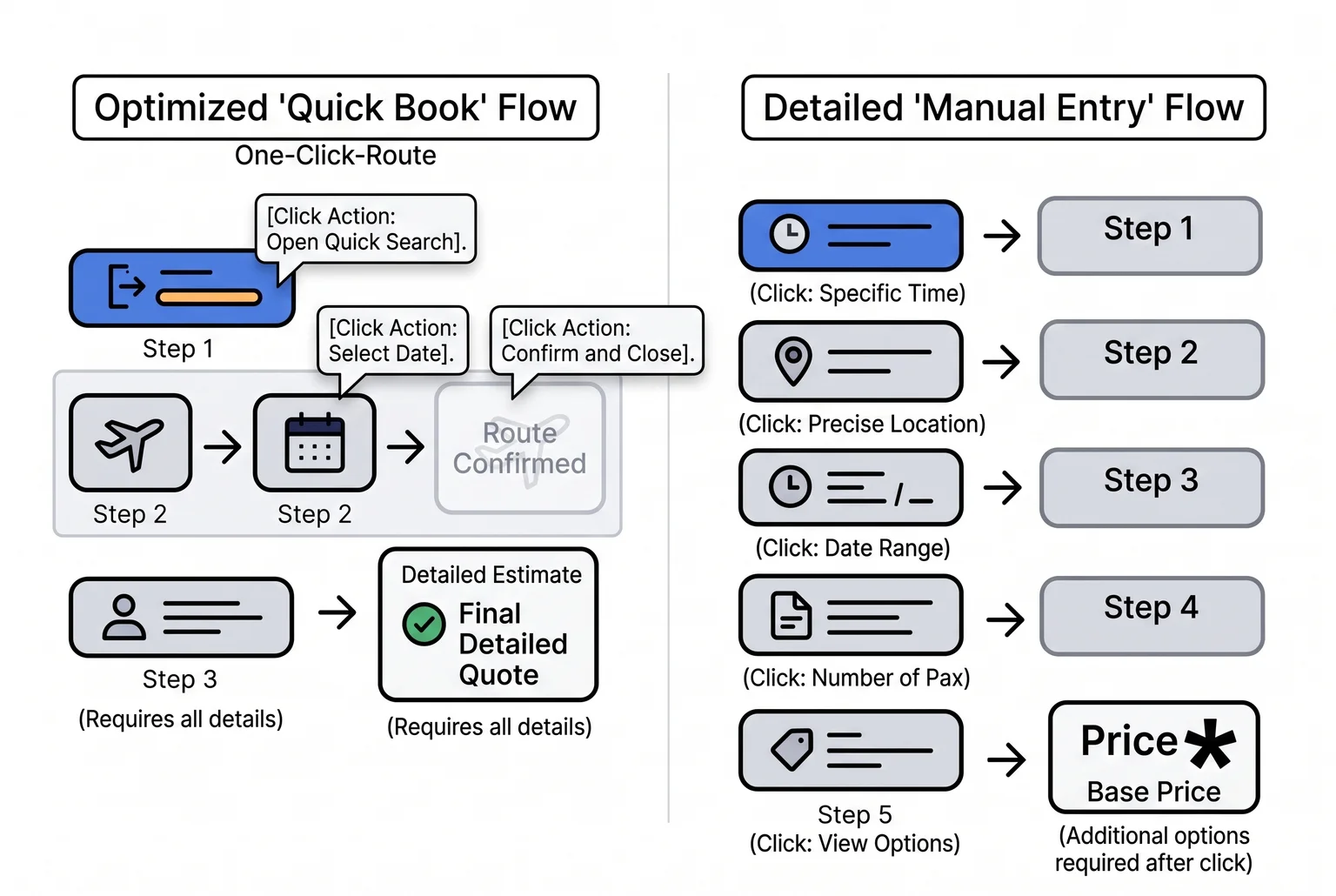
Accelerated Value is what fills the time between first contact and first appointment, so nobody sits idle wondering if they made the right call. A short explainer on what a first consultation involves, a plain-English price breakdown, an honest answer to “will this hurt” does more conversion work before booking than any advert does after it.
At the very least, time how long it currently takes your practice to reply to a web enquiry, and check your dental pricing pages against the new drip-pricing rules this week, not next quarter.
Keeping the patients you already have, before you pay for new ones
Who is chasing your patient six weeks after their last appointment? For most clinics, the honest answer is nobody. The median rebooking rate across UK private MSK clinics sits at 80%, according to the UK Private Practice Barometer 2026. That leaves one in five patients drifting off with no recall system catching them.
Cultivated Relationships asks a different question from everything before it: once someone trusts you, what keeps that trust working for you? For MSK practices, this is the GP referral letter that actually gets a reply, and the recall text sent at week five, not week fifteen. For private audiology, it is remembering that hearing aids need a six-month check, and booking it before the patient has to think to call you. For elective dentistry, it is the hygiene recall system that quietly protects the implant work you have already done, because a lapsed hygiene patient is a lost future case, not just a missed appointment.
None of this needs a marketing budget. It needs a system that runs whether or not you remember to trigger it.
Should you be spending on Google Ads yet? Here is where sequence stops being a nice idea and starts being arithmetic. Every clinic generating over £1 million in revenue in the Barometer data uses Google Ads. But average marketing spend as a share of revenue falls from 11.2% at the smallest clinics to 4.0% at clinics above £500k, and only 25.8% of UK clinic owners know their actual cost to acquire a patient. Spending more on adverts while that number is unknown is spending blind. Only 56% of surveyed clinics sit in the £100k to £500k bracket, and most of them are trying to buy their way past a diary problem that better availability and recall would fix for free.
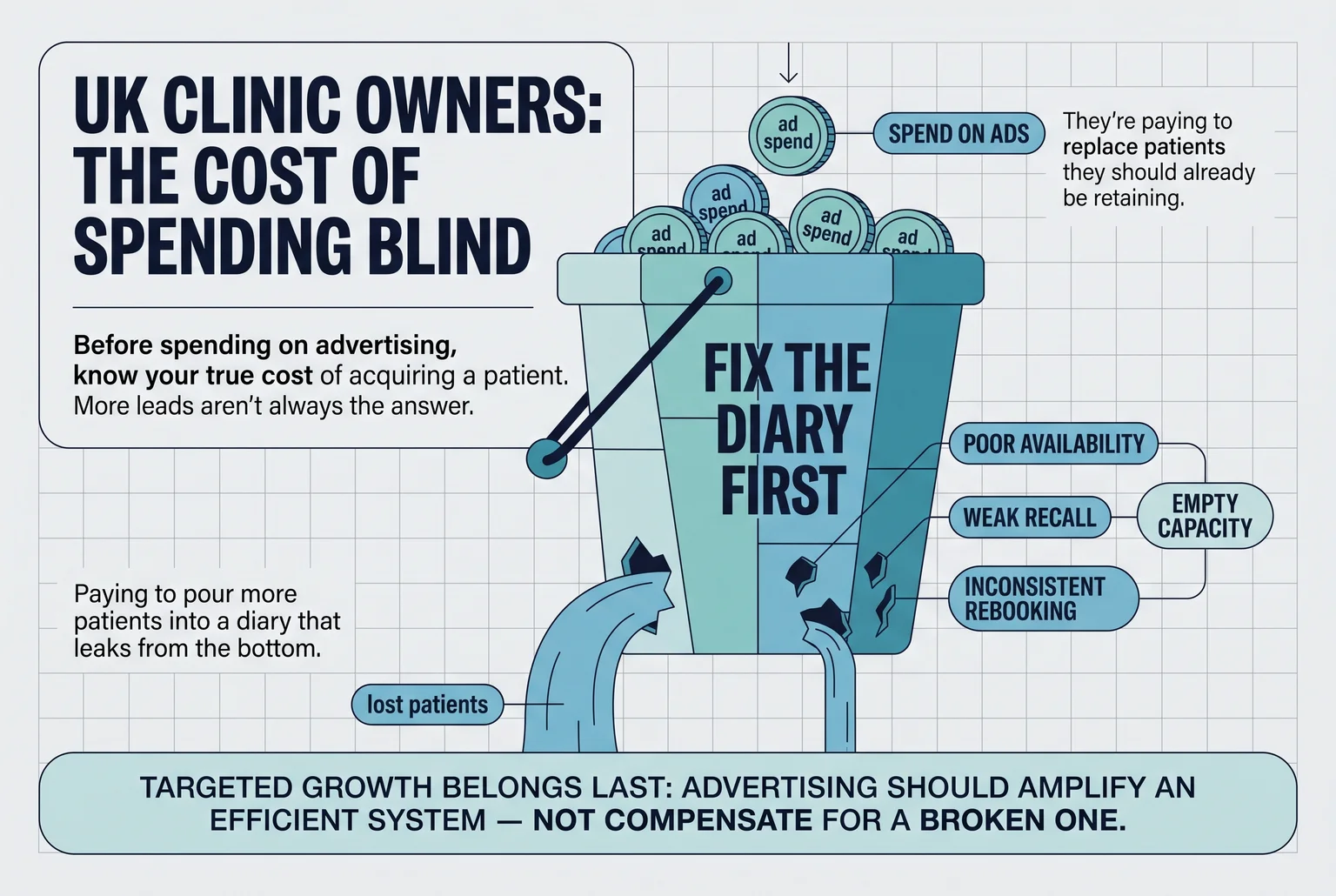
Targeted Growth belongs last because it amplifies what already works. Spend on adverts before Stage Three is functioning and you are paying to fill a diary that leaks from the bottom.
At the very least, pull your rebooking rate for the last three months and compare it against that 80% figure before you agree another advertising invoice.
What to build in each 30-day block
Sequence beats intensity. Build the six systems in this order and you get compounding results. Build them out of order and you get an expensive advert pointed at a broken booking flow.
Days 1 to 30: fix the foundation. Audit your consent forms, cookie banners, and any tracking pixel firing before a patient has given permission, against the ICO’s rules on special-category health data. Pull your last 20 enquiries and check who replied, and how fast. Write down your GOsC, GCC, HCPC, or GDC advertising rules in one page your whole team can reference before a single word of copy gets written. This is unglamorous. It is also the only stage where getting it wrong can cost you your registration, not just a patient.
Days 31 to 60: turn the system on. This is where you should see first movement. Fix the reply-speed gap: a same-day response system, even a simple one, against the 42-hour average first reply the Barometer data shows across MSK clinics. Publish clinician biographies and evidence-led FAQs that stay inside the approved condition lists for osteopathy and chiropractic. Build one clear pricing page, particularly for implant or ortho enquiries, that heads off any drip-pricing complaint under the DMCC Act rules that took effect 6 April 2025. Set up compliant review collection: genuine patient consent, no incentivised reviews, no selective posting, a clear route for unhappy patients to flag concerns privately before they go public, as the CMA’s guidance on fake reviews sets out.
Days 61 to 90: measure and calibrate. Pull your rebooking rate and compare it against the 80% MSK benchmark. Check whether your practice appears when someone asks an AI assistant who they should see, since generative engine optimisation now decides whether your authority ever reaches the person asking. Review your true cost per enquiry, not just cost per click, against sector figures like £6 to £8 CPC for implant searches or £100 to £180 cost per lead for therapy work. Only once these numbers are known should paid growth spend increase.
At the very least, block three hours this week and complete the Days 1 to 30 audit before you write a single piece of new marketing copy.
Your standards were never the problem
Every clinic I have sat with over these six stages has the same clinical ability as the competitor down the road who is fully booked. What separates them is whether the six systems exist, and whether they exist in order.
I believe compliance built this way stops being a brake and becomes the reason patients choose you over an unregulated alternative. That is the whole argument. The absence of a sequenced system, not a lack of skill, is what is costing you the diary.
Now, if you want to know where your practice actually stands against the numbers in this guide, the reply-speed gap, the rebooking rate, whether you show up when someone asks an AI assistant who they should see, I offer a free AI search audit or a short no-obligation call. No pitch deck. Nothing sold to you on that first call.
To be clear about what “free” means here, in line with CAP’s own rules on the word: there is no charge, no hidden condition, and no commitment to buy anything to receive it. You get a written summary of where your visibility system stands, whether or not you ever work with me again. If I am the wrong fit for your clinic, I will tell you inside the first ten minutes, because that costs me nothing and saves you a wasted hour.
At the very least, run the audit before you spend another pound on advertising you cannot yet measure.
Sources
- What are the rules on special category data? — Information Commissioner’s Office
- When is consent appropriate? — Information Commissioner’s Office
- Guidance on the use of storage and access technologies — Information Commissioner’s Office
- Health: Chiropractic – ASA | CAP — ASA/CAP
- Health: Osteopathy – ASA | CAP — ASA/CAP
- Guidance on advertising – General Dental Council — General Dental Council
- The Human Medicines Regulations 2012 – Legislation.gov.uk — UK Government
- AEO Best Practices 2025: 20 Tactics That Earn AI Citations | MaximusLabs — MaximusLabs
- Unfair commercial practices: guidance — Competition and Markets Authority
- UK Private Practice Barometer 2026 | MSK Clinic Owner Salary … — HMDG